
NEWS
Yonhap News Agency reported that North Korean Supreme Leader Kim Jong Un arrived in Dandong, Liaoning Province, China, via the New Yalu River Bridge on Saturday (October 24), starting his visit to China. …

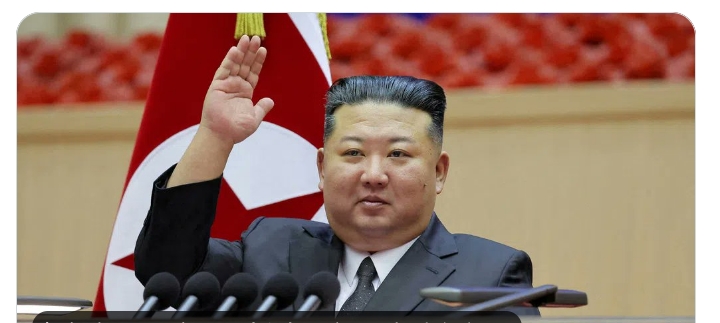
Kim Jong Un Reportedly Arrives in China Through Dandong as Visit Begins
North Korean leader Kim Jong Un reportedly arrived in Dandong, Liaoning Province, China, on Saturday, October 24, according to South Korea’s Yonhap News Agency. The report stated that he entered China via the New Yalu River Bridge, marking the beginning of his visit. The reported arrival has attracted international attention because of the political and diplomatic significance of relations between North Korea and China.
Dandong is a major Chinese border city situated across the Yalu River from North Korea. The city has long served as an important gateway for trade, transportation, and exchanges between the two neighboring countries. The New Yalu River Bridge is a significant piece of infrastructure connecting the border region, making reports of its use by the North Korean leader particularly noteworthy.
Kim Jong Un’s reported visit comes amid continued international interest in North Korea’s diplomatic relationships and regional security policies. China has historically been one of Pyongyang’s most important political and economic partners, with ties shaped by trade, security concerns, and shared regional interests. Any high-level engagement between the two countries can therefore attract close attention from governments and analysts around the world.
Observers will be watching for further information about the purpose of the visit, including whether Kim is expected to meet Chinese officials or participate in formal diplomatic activities. High-level visits between the two countries can provide opportunities to discuss economic cooperation, regional stability, and broader international developments. However, the specific agenda of this reported trip should not be assumed without official confirmation.
The development also highlights China’s important role in East Asian diplomacy. Beijing maintains relationships with multiple regional powers while navigating sensitive issues involving North Korea’s security, nuclear program, and international sanctions. Any discussions involving Kim and Chinese leadership could therefore be closely examined for possible implications for the region.
As more details emerge, international attention will remain focused on the reported visit and its potential significance for relations between Beijing and Pyongyang. For now, further official information is needed to establish the full itinerary and objectives of Kim Jong Un’s trip. What do you think this reported visit could mean for China–North Korea relations and the future of East Asian diplomacy? Share your thoughts in the comments.
A Royal Surprise No One Saw Coming — Prince William and Princess Kate Announce Baby #4… The Palace is buzzing. The public is stunned. And the Cambridge children are getting a brand-new little Baby..See the baby gender revealed….

🚨 15 MINUTE AGO! The Palace releases a shocking health update on Kate after last night’s surgery… the tumor is gone, but doctors break down in tears as they reveal what comes next: ‘She has…👇

The Daily Mail obtained exclusive images from Taylor Swift and Travis Kelce’s wedding, including the original layout plans and scrapped decisions 💍

👀📸😱 CAUGHT IN THE ACT? Barack Obama’s Street Appearance With a Mystery Woman Sparks Online Buzz — One Detail in the Photo Has Everyone Looking Twice! 😱📸👀💔

Taylor Swift and Her Shirtless Husband Travis Kelce Spotted Walking Hand in Hand Late at Night in Seattle After Chiefs’ Devastating 20-3 Loss to the Seahawks

Taylor Swift Sparks Fresh Buzz After Showing Off Her Stunning One-Month Pregnancy Glow in a Tiny Green Bikini While Soaking Up the Sun in Corfu and Sharing Sweet, Passionate Kisses With Husband Travis Kelce During a Dreamy Romantic Getaway Ahead of the NFL’s Game…see just released wedding photos and videos

🚨💥 TAYLOR SWIFT FANS ARE FURIOUS! Seattle Seahawks’ Friendship Bracelet Meme Sparks Backlash — Swifties Say the Joke Went Too Far! 😱🏈💔

💥💫❤️🔥 TAYLOR SWIFT STUNS AT ALLEGIANT STADIUM! BRITTANY MAHOMES SHOWS OFF HER NEW ARM TATTOO AS THE TWO WAGS CHEER ON TRAVIS KELCE AND PATRICK MAHOMES! 🏈❤️

🚨❤️ JUST IN: Taylor Swift’s Absence at Travis Kelce’s Chiefs Game Sparks Major Questions — Now, a Vacation Photo Shared by Travis Has Fans Suspecting a Possible Pregnancy, and Everyone Is Zooming In on One Detail

Taylor Swift and Husband Travis Kelce Spotted on a Romantic Boat Getaway in Seattle, Ditching the Chiefs vs. Seahawks Game Just Hours Before Kickoff in New Photos
