
NEWS
Trump Goes Berserk On Disloyal Taylor Swift And Claims He Made Her Rich

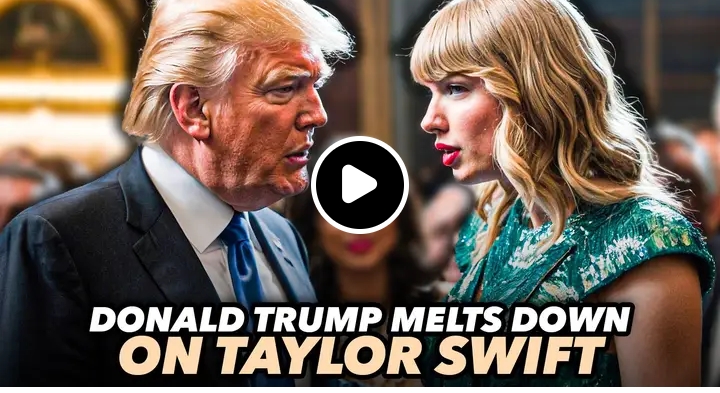
Donald Trump’s long-running one-sided feud with Taylor Swift escalated again when he publicly branded the singer “disloyal” and claimed personal credit for her wealth. In a February 2024 Truth Social post timed to Super Bowl weekend, Trump argued that Swift owed him political loyalty because he had signed the Music Modernization Act, legislation that updated copyright rules to make it easier for artists to collect streaming royalties.
“I signed and was responsible for the Music Modernization Act for Taylor Swift and all other Musical Artists,” he wrote. “Joe Biden didn’t do anything for Taylor, and never will. There’s no way she could endorse Crooked Joe Biden… and be disloyal to the man who made her so much money.” He added a backhanded compliment to her then-boyfriend Travis Kelce, saying he liked the tight end “even though he may be a Liberal, and probably can’t stand me.” The post framed any Democratic endorsement as personal betrayal rather than ordinary political disagreement.
Swift had already endorsed Joe Biden in 2020 and would go on to back Kamala Harris in 2024, prompting Trump’s blunt all-caps response: “I HATE TAYLOR SWIFT!” The “made her rich” claim rested on the 2018 Music Modernization Act, which modernized mechanical licensing for digital streaming and benefited the entire industry, not Swift alone. Industry analysts noted that her massive streaming income—driven by her own catalog, re-recordings, and the Eras Tour—predated and far exceeded any single legislative change.
The same grievance resurfaced repeatedly in 2025 and 2026. After the Super Bowl, Trump mocked the boos Swift received in the stadium and declared “MAGA is very unforgiving.” He later posted that she was “no longer HOT” since he had said he hated her, and White House accounts ran Eras Tour parodies and wedding-weekend trolls. Swift’s team eventually muted her music on multiple Team Trump and White House TikTok videos, quietly asserting control over her work while offering no direct reply to the president.
Critics pointed out the logical stretch in Trump’s loyalty demand. The Music Modernization Act was a bipartisan measure that helped songwriters and publishers across the board; Swift’s fortune, estimated at well over a billion dollars, stems primarily from record sales, touring, and strategic re-recordings rather than any single White House signature. Framing an independent artist’s political choice as ingratitude also inverted the usual relationship between public figures and elected officials.
The episode illustrated a recurring pattern: Trump treats celebrity dissent as personal disloyalty and asserts causal credit for cultural success that has multiple independent sources. Swift has largely refused to engage on his terms, letting copyright enforcement and silence answer the rants while her commercial dominance continued unabated. The result has been less a mutual showdown than a sustained, one-sided insistence that she owes him both her fortune and her vote.

Trump Goes Berserk On Disloyal Taylor Swift And Claims He Made Her Rich
From Eras Tour Parodies to Wedding Trolls: Inside the 2026 Trump–Taylor Swift Social Media Showdown See details below 👇🏻

🔥 SHOCKING MOMENT — JUST 10 MINUTES AGO: CCTV footage has surfaced in this story, capturing a mysterious moment involving legendary hip-hop superstar LIL WAYNE that has left fans across the world stunned… 👀🎤👇 SEE MORE 👇👇

😭💔20 minutes ago in Chicago, Jennifer Lopez has been confirmed as….See more⬇

🚨 🔥 SHOCKING MOMENT — JUST 15 MINUTES AGO: CCTV FOOTAGE HAS BEEN RETRIEVED, CAPTURING THE MOMENT KANSAS CITY CHIEFS STAR TRAVIS KELCE HAD… 👇 👇 𝗙𝗨𝗟𝗟 𝗦𝗧𝗢𝗥𝗬:

“””🚨🎤 BREAKING NEWS: “DO YOU LOVE TRAVIS KELCE FOR LOVE, MONEY… OR SOMETHING ELSE?” — THE HOST’S AWKWARD, UNPROFESSIONAL QUESTION LEFT THE ROOM STUNNED, BUT TRAVIS KELCE’S GIRLFRIEND TAYLOR SWIFT’S IMMEDIATE RESPONSE — AND WHAT SHE DID NEXT — CAUGHT EVERYONE COMPLETELY OFF GUARD. 😳🔥 The question clearly crossed a line — and Taylor Swift made sure her reaction said just as much as her words. READ MORE:

Lewis Hamilton and Kim Kardashian Spotted Spending Time Together in NYC — Fans Can’t Stop Talking! 👀❤️

BREAKING: President Trump Faints and Is Rushed Out of the White House Following Crushing 2026 US Midterm Election Defeat, With His Condition Sadly Confirmed to Be

Taylor swift and Travis kelces cozy Bahamas Getaway after the chiefs 28-24 Drastic loss has fans talking! But it’s Taylors appearance during their romantic vacation that has everyone zooming in and asking ONE BIG QUESTION…. READ MORE :

Megan Fox stunned fans with a haunting, mysterious dark mermaid Halloween transformation 🎃

Ariana Grande spotted enjoying a low-key London day out with boyfriend Ricky Álvarez and mom Joan Grande ☕️🇬🇧
